Body Doubling - Why working alone together suddenly makes sense
It feels like we’ve had the same productivity advice for decades. Optimize your time, eliminate distractions, and work harder and smarter. And, ideally, in silence. Yet this model missed an understated need: for many, productivity is not just about quiet efficiency, but also the presence of others.
Then remote work went mainstream, completely changing the landscape. The pandemic forced us to adapt, and the bustling office gave way to the serenity of our homes. And around the same time, for some, silence stopped feeling productive and started to feel empty.
And like everything before it, life found a way to work around this newly found obstacle. A niche trend from the ADHD community found traction in the mainstream, making it one of the most popular workplace trends of the year.
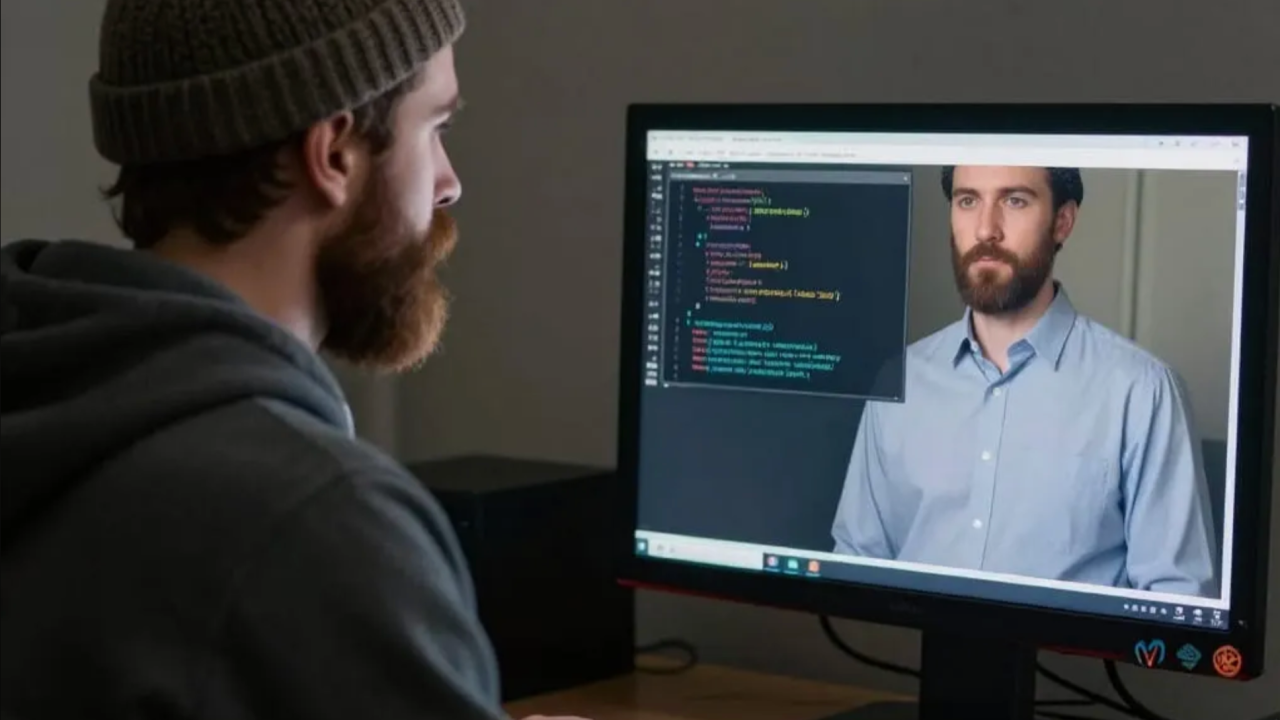
It’s called “body doubling” and is a simple and surprisingly powerful concept. Two people work side by side, physically or virtually, on completely different tasks. Without collaborating.
There are no meetings, no brainstorming, no shared docs. Just presence. And yet, things get done.
What body doubling actually is
If we strip away the trend cycles and TikTok gloss, body doubling is just you doing work while someone else works nearby. That’s it.
The power does not come from coordination. It comes from co-presence. Someone else is there, visibly engaged in their own task. You are not accountable to a manager or a system. You are accountable for the fact that another human is also showing up.
This can happen at a kitchen table, in a library, or through a muted video call where both cameras stay on, and nothing else happens for an hour. No talking, no syncing. Just parallel effort. It sounds trivial, but it isn’t.
Where it came from and why it spread As I mentioned before, body doubling originally gained traction in neurodivergent communities, especially among people with ADHD. Not as a productivity hack, but as a coping strategy.
Starting tasks is often harder than finishing them, and momentum is fragile. Focus evaporates quickly when the environment offers no anchors, and shared presence turned out to be one.
Many people found that another’s presence reduced friction, leading to less procrastination, fewer false starts, and greater follow-through. All was well and good until the pandemic, when remote work blew the doors open.
Suddenly, millions of people were working alone, isolated from the ambient signals that offices used to provide. The quiet hum of others typing. The subtle positive group pressure of being seen. The rhythm of shared effort.
Body doubling restores a critical element lost in remote work, the sense that work, even when solitary, is a social act.
Why it works (without anyone telling you what to do)
Body doubling is effective for a reason that makes traditional productivity systems uncomfortable. It works without supervision.
There is no one to check your output. No dashboard tracks your keystrokes, or manager nudges you every 30 minutes. The accountability is implicit, not enforced.
Psychologists call this effect social facilitation. People usually do better when others are around. Not because they’re being watched, but because having someone there helps them focus. And being social creatures that normally live in groups, that does make biological sense.
You sit up a little straighter. You start sooner. Your mind drifts less. Not out of fear, but out of resonance.
The presence of another working person acts as an external anchor. It reduces the mental load of self-regulation. You don’t have to constantly decide whether now is the moment to focus. The environment already decided for you.
That’s a small change, but it makes a big difference.
Productivity without pressure
Most modern productivity tools create pressure from the top down, with metrics, targets, and even surveillance. Body doubling, on the other hand, creates horizontal pressure with no authority, just mutual presence.
No authority or hierarchy. Just mutual presence. You’re accompanied, not measured.
This is more important than it might seem. Pressure from above breeds fear and resistance. Pressure from peers breeds alignment. Body doubling feels voluntary, not coercive. You can leave if you want or need to. You can mute yourself or turn off your camera. The autonomy remains intact.
And paradoxically, that autonomy makes people more likely to stay engaged. It’s a way to feel accountable without feeling bad about it.
When it works best
Body doubling works best when you want to get something done but can’t seem to get started.
It helps start a task you’ve been avoiding or finish something that doesn’t require creativity, just persistence. It is a method to break through the fog of low-grade distraction that remote work excels at producing.
It also works best with clarity. As social animals, we need guidelines and rules.
Start by agreeing on a specific start and end time for the session. Decide in advance if you’ll work in silence or allow light conversation, and confirm whether cameras will be on or off. Be explicit about these preferences to avoid ambiguity. Clear expectations help keep the session focused, reducing the chance it will shift into socializing, which defeats the point.
A good body doubling session feels calm, maybe even a little boring. And that’s a sign it’s working.
When it doesn’t
Body doubling doesn’t work for everyone. Some people need deep solitude to think. Others feel watched even when no one is watching. For certain kinds of work, especially sensitive or confidential tasks, shared presence can even feel intrusive.
There’s also a risk of confusing just being present with actually making progress. Spending three hours on a co-working call doesn’t always mean you got real work done.
Body doubling can help you focus, but it can’t replace your own motivation. If you use it the wrong way, it can just become another routine that seems productive but doesn’t actually help you get things done.
What this says about modern work
The popularity of body doubling reveals something important about how we work today. We optimized for independence and accidentally erased togetherness. Remote work removed friction but also the shared rhythm. Offices were flawed, but they provided a constant, low-level signal. A sense of camaraderie, other people are here, doing things, and so are you.
Body doubling isn’t about missing the office. It brings back those social cues without needing a full office setup. It suggests that productivity is not just about tools and processes. It’s about atmosphere, presence, and the subtle cues that tell your brain, “now is the time.”
A small, human correction
In a time when everyone is focused on automation and doing things faster, body doubling feels almost radical.
It doesn’t promise exponential gains, and it doesn’t optimize anything measurable. It doesn’t even require software, though plenty exists now. It simply acknowledges a human truth. We are more focused in the presence of others.
Not because we need to be managed, but because we are social creatures, we are trying to do solitary work in an increasingly disconnected world.
Body doubling doesn’t fix distraction culture. It doesn’t solve burnout. It doesn’t make work meaningful by itself. But it does offer something quieter and more genuine.
It helps turn your intentions into real action. One shared hour at a time. And sometimes, sharing that hour is exactly what we need to move forward.